
The Window Project
De Novo Gallery turns storefronts into exhibition spaces.
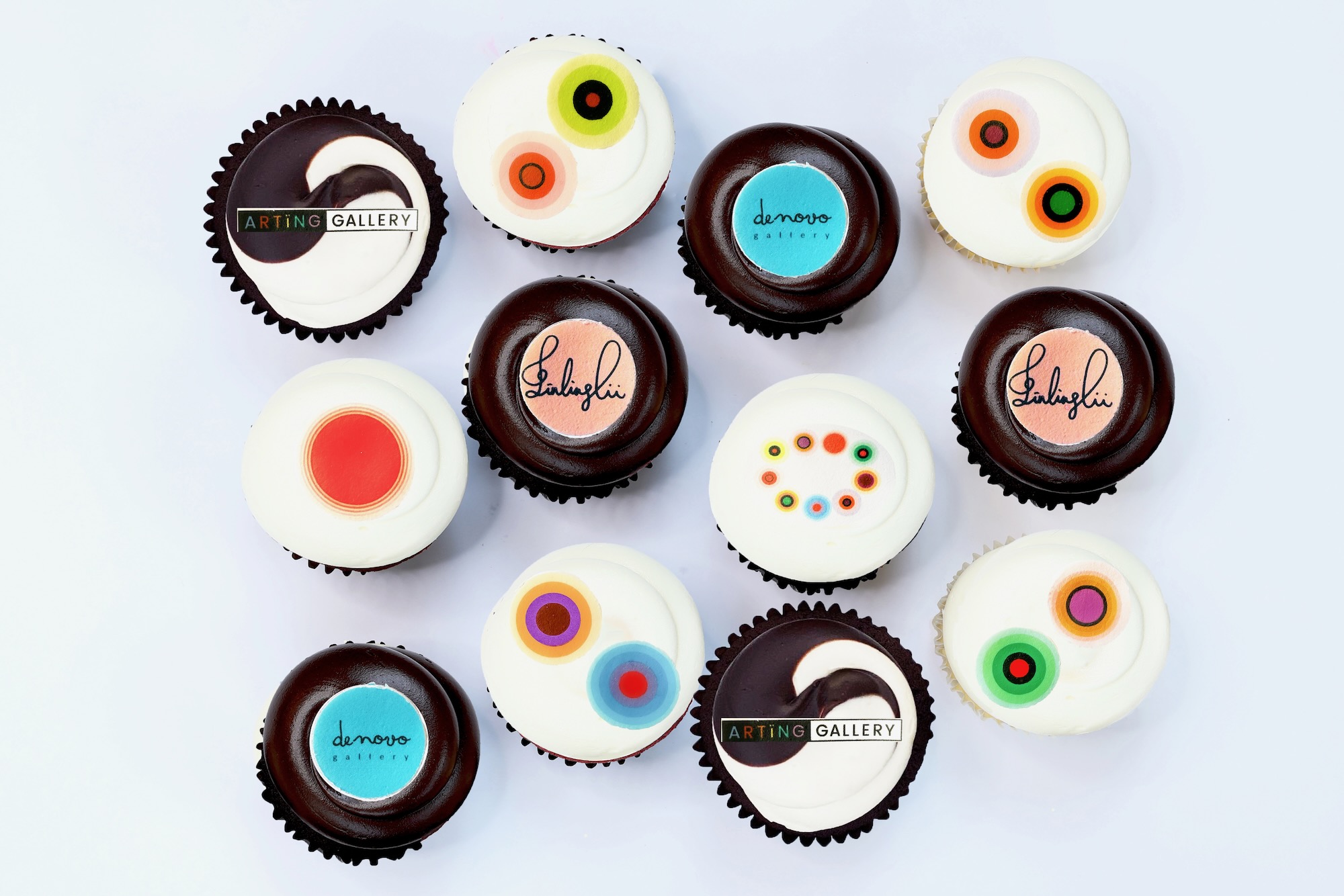
De Novo Gallery has spent the past several years expanding where and how people encounter art in Washington. Founded in 2019 by Ryan and Jamie Dattilo, the gallery represents a growing roster of artists through what started as a a traditional exhibition program, and has since evolved into something more unexpected: the Window Project, which turns storefronts across the city into round-the-clock exhibition spaces, where all available works are visible day and night, no appointment necessary.

The Window Project has found homes in some of DC's most active corridors, including Union Market, Mount Vernon Triangle, downtown DC at CityCenterDC, and Georgetown, thanks to the partnership of companies like EDENS, Hines, Georgetown Cupcake, and others. Each space functions as a commercial gallery where the art on view is for sale, the exhibitions rotate, and the work becomes part of the city's daily rhythm. It's a complement to gallery-going, not a substitute for it: for those who already collect or visit galleries regularly, it's one more place in the ecosystem to discover new work. For everyone else, it's a low-key, no-pressure way to enjoy art in the course of an ordinary day.

That accessibility matters for artists too. The Window Project gives them a citywide stage alongside their gallery presence, putting their work in front of people who might never otherwise think about who makes the art they pass by. De Novo Gallery has used the format to feature artists from the DC/Baltimore region alongside those from other cities, including New York and Los Angeles, creating a two-way exchange between local talent and outside perspectives.

The latest addition to that rotation is Lindsay McCulloch's "Heat Wave," now on view at 465 K Street NW in Mount Vernon Triangle, and it marks a first for De Novo Gallery’s Window Project. Rather than simply hanging work within the space, McCulloch designed and painted a mural on walls themselves as part of the exhibition, so the backdrop is as much a piece of the show as anything on it. The result is a space where there's no separation between the art and the walls holding it, and everything you see, from the mural to the work on view, is available to collect. It's on continuous public view, turning an ordinary commute into a chance encounter with art.